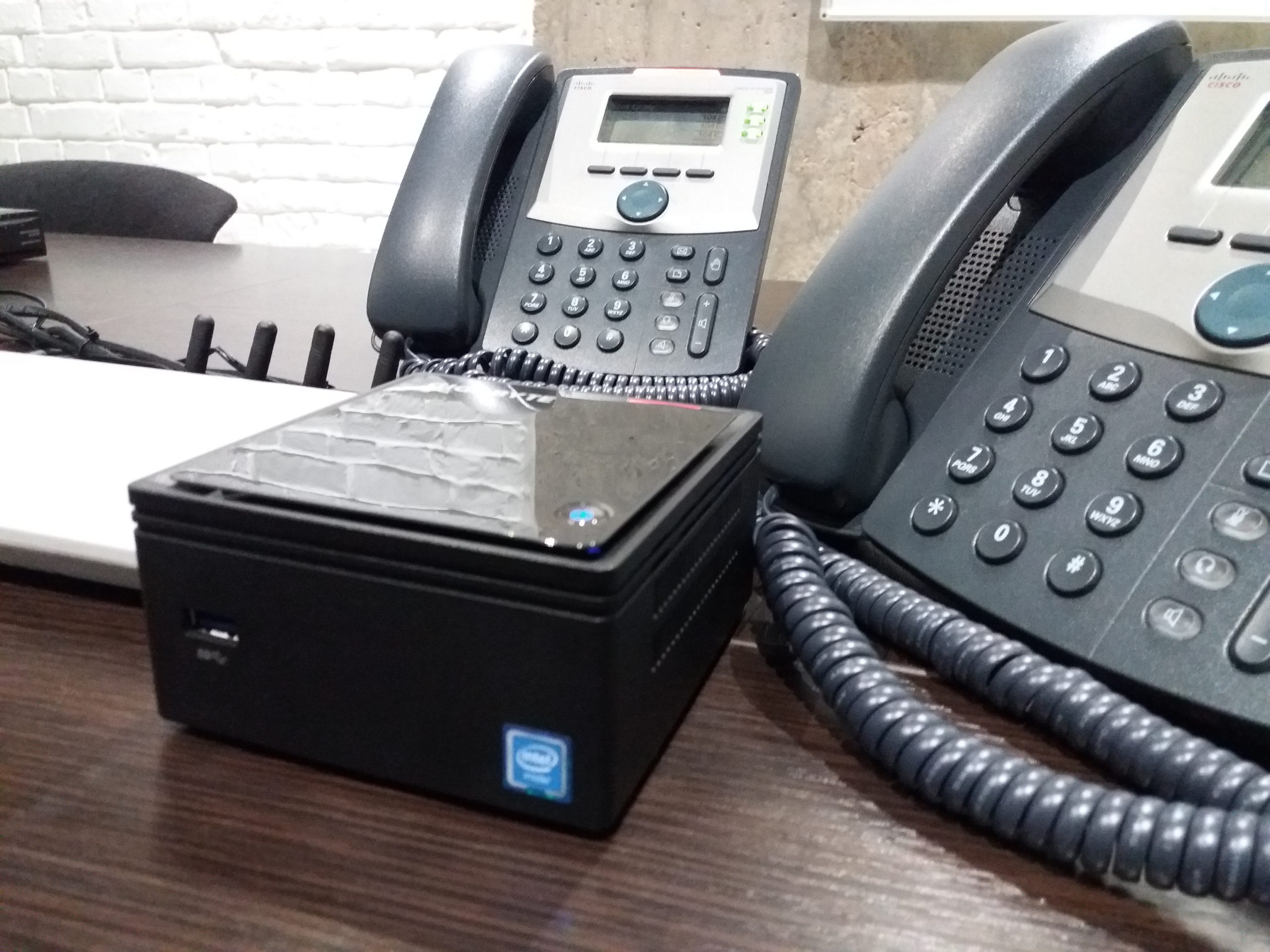
Number porting, or number portability, lets you keep your existing phone number when moving to a new telecom infrastructure or provider. Customers and partners continue to reach you at the same number, so you do not need to update contacts on your website, in advertising, documents, or CRM. With Telnexx, you can migrate your number and connect it to IP telephony, SIP trunking, a virtual PBX, call forwarding, and other services. Porting availability depends on the country, number type, and current carrier.

Number porting lets you move to a new telephony infrastructure while keeping the number your customers already know. Once the port is complete, the number stays the same, so there is no need to change contact details on your website, advertising materials, business cards, contracts, or other sources.
Phone number migration is especially useful for businesses that have used the same number for years and want to preserve a familiar contact channel. Customers continue calling the same number while call handling moves to the new system, allowing you to modernize telephony without asking customers to update their contact information.
After porting, the number can be used with SIP trunks, a virtual PBX, call forwarding, IVR, call queues, and CRM integrations. Your business keeps the existing number while gaining the flexibility of modern IP telephony.
The number your customers and partners already know remains the same after the transition.
There is no need to update your phone number on the website, outdoor advertising, directories, social media, documents, or other materials.
Your business can switch to a new telephony system while continuing to use its current phone number.
Customers do not need to learn a new number, which helps minimize disruption to established communication channels.
After porting, you can use call routing, forwarding, SIP, a virtual PBX, IVR, and other tools.
Ported numbers and new virtual numbers can be managed within a single business telephony infrastructure.
MNP (Mobile Number Portability) lets you keep a mobile number when changing carriers or telecom infrastructure. Availability depends on the country, carrier, local regulations, and number type.
For selected countries and destinations, number migration may be available when changing the service region. Whether a specific number can be retained depends on the national numbering plan and carrier rules.
Depending on the country and carrier, porting may be available for local, national, business, mobile, Toll-Free, and other phone number types. Each number is checked individually before the porting process begins.
Use the ported number with a cloud PBX, add employees, create extensions, and configure call-handling scenarios.
Connect the ported number via SIP to your PBX, IP phones, or softphones and configure forwarding to the destinations you need.
Connect calls with your CRM, keep communication history, and automate workflows for sales or support teams.
We check the country, number type, current carrier, and whether the specific number is eligible for porting.
Proof of ownership may require account holder details, a recent carrier bill, a contract, a Letter of Authorization, or other documents.
Once the information is verified, the porting request is submitted and the process is coordinated with the carriers involved.
After the switch, we verify incoming calls, routing, and the connected services to make sure the number works correctly.
Number Porting
USD
Number porting, or number portability, is the process of keeping an existing phone number when moving to another carrier or telecom infrastructure.
MNP stands for Mobile Number Portability. It allows a mobile number to be retained when changing carriers. MNP availability and procedures depend on the country.
No. Porting availability depends on the country, number type, current carrier, and local regulations. Each number must be checked individually.
This may be possible for certain countries and number types. Availability depends on the national numbering plan, the carrier, and the rules for the specific destination.
You may need account holder details, a bill or contract from the current carrier, a Letter of Authorization, and other supporting documents. The exact requirements are confirmed after the number is checked.
The timeframe depends on the country, carrier, number type, and accuracy of the submitted documents. After porting is complete, supported configurations can use the number with SIP trunking, a virtual PBX, call forwarding, and other Telnexx services.